
How to Wash Down-Alternative and Synthetic Comforters Without the Lumps
A down-alternative comforter is a polyester fill that clumps when washed wrong. A large machine, a low spin, and dryer balls with a low heat keep the fill even and the comforter lofted.

Marcus Vance
Master Cleaner
How to Wash Down-Alternative and Synthetic Comforters Without the Lumps
A down-alternative comforter is the bedding most people wash wrong, because the synthetic fill — polyester batting or clusters engineered to mimic down — behaves differently from both down and cotton, and the wash that works on one does not work on the other. The problem is the fill: a polyester fill holds water stubbornly, shifts in a high spin, and melts or clumps in a hot dryer, where down dries slowly and cotton dries flat. The down-alternative comforter that is washed in a too-small machine, spun on high, and dried on hot comes out lumpy, flat, and smaller than it went in; the one that is washed in a large machine, spun low, and dried on low with dryer balls comes out even and lofted. The protocol respects the synthetic fill, and the machine that runs it is the one big enough to let the comforter move.
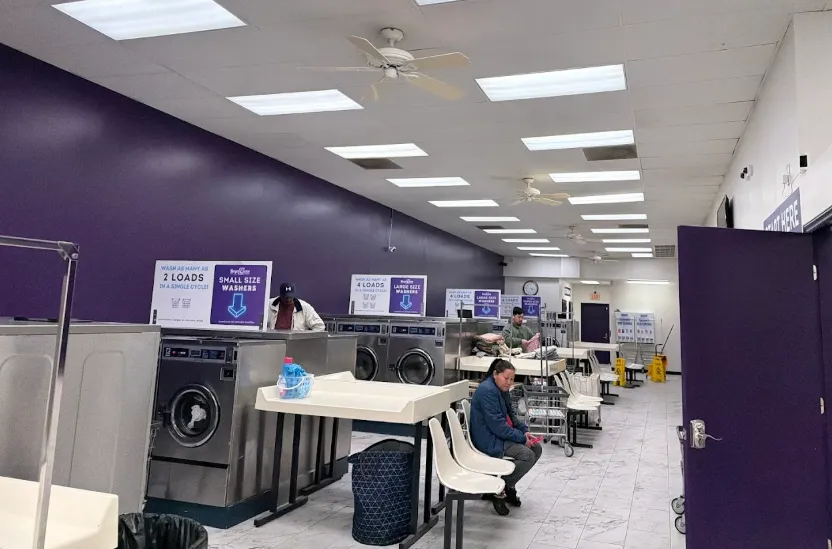
For comforters too large for a home machine, our Burlington S Church St and Greensboro Market St locations carry the high-capacity commercial machines, or browse all four Royal Clean Locations.
Why Down-Alternative Is a Different Wash
A down comforter's fill is natural down clusters that compress and recover; a down-alternative's fill is synthetic polyester that is engineered to mimic the down's loft but that does not recover the same way. Polyester fill holds water (it is hydrophobic at the fiber but the batting holds water in its structure), and a soaked comforter is heavy — a queen can hold three to four gallons and weigh 20 pounds wet. The fill shifts in a high spin into the corners; the fill clumps in a hot dryer as the polyester fibers fuse at the edges of the clumps; and the fill can mat permanently if it dries clumped. The down-alternative comforter's care is about the fill: keep it distributed through the wash and the dry, and do not let the heat or the spin move it out of place.
The Machine Size
The first decision is the machine, and it is the one that decides everything else. A down-alternative comforter needs room to tumble freely — a stuffed drum cannot agitate the fill evenly, and the fill shifts to the corners of the comforter under the compression. A residential top-loader with an agitator is the worst case: the agitator tangles the comforter, the spin crushes the fill, and the small drum stuffs the comforter against itself. A residential front-loader is better; a commercial front-loader (the high-capacity machines at a laundromat) is right. The comforter should fill no more than two-thirds of the drum; if it fills the drum, the machine is too small and the comforter should go to the commercial capacity.
The Wash Protocol
The Dry — the Step That Makes or Breaks the Loft
The dry is where a down-alternative comforter either keeps its loft or goes lumpy, and the heat is the variable. Polyester fill can melt or fuse at the edges of the clumps in a hot dryer, which is the permanent clump that no amount of fluffing breaks. The protocol: a low-heat dry, with three to four dryer balls (clean tennis balls or wool dryer balls) that knock the fill back into distribution as the comforter tumbles. Pull the comforter out every 20 minutes and redistribute the fill by hand — massage any pooled or clumped fill back toward the center — and return it to the dryer. The low heat and the dryer balls are the pair that keeps the fill even; the high heat is the one that ruins it.
Never hang a wet down-alternative comforter by a corner — the wet weight pulls the fill into the corners and the comforter dries lumpy and stretched. If you line-dry, lay it flat across multiple lines or a drying rack so the weight is supported, and fluff the fill by hand as it dries.
The Damp Check — Dry It Fully
The fill of a down-alternative comforter holds water in the batting even when the shell feels dry, and a comforter stored with damp fill mildews from the inside. The test is the hand: press the comforter between your hands at several points, especially the thickest areas; if it feels at all cool or damp, it is not dry. Dry it fully before it goes back on the bed or into storage, and the extra 20 minutes in the dryer is the insurance against the mildew that grows in a damp-stored fill.
Between Washes
A comforter does not need a full wash often — the body soil is on the duvet cover and the sheet, not the comforter, if the bedding is layered correctly. A duvet cover changed weekly (washed on a normal cycle) and the comforter washed two to four times a year is the right cadence for a household. Air the comforter out between washes — lay it across the bed or a drying rack for an afternoon — to keep the fill fresh and the moisture out. The duvet cover is the barrier that keeps the comforter's fill clean, and the comforter's infrequent wash is the wash that protects the fill.
Frequently Asked Questions
Can I wash a down-alternative comforter in a home washer?
A twin or a light full, maybe. A queen or king needs a commercial-capacity machine — the comforter should fill no more than two-thirds of the drum, and a stuffed drum cannot agitate the fill evenly.
Why did my down-alternative comforter go lumpy?
The fill shifted in a high spin or fused in a hot dryer. Wash on a low spin, dry on low with dryer balls, and redistribute the fill by hand every 20 minutes.
Can I dry a down-alternative comforter on high heat?
No. Polyester fill can melt or fuse at the edges of the clumps in a hot dryer — the permanent lumps that no fluffing breaks. Low heat with dryer balls.
How do I know the comforter is fully dry?
Press it between your hands at several points; if it feels at all cool or damp, it is not dry. The fill holds water in the batting even when the shell feels dry, and a damp-stored fill mildews.
How often should I wash a down-alternative comforter?
Two to four times a year, with a duvet cover changed and washed weekly. The cover is the barrier; the infrequent wash protects the fill.
The Bottom Line on Down-Alternative
Use a machine big enough, wash cold and gentle, spin low, dry on low with dryer balls and hand-redistribution, dry it fully, and protect it with a duvet cover between washes. Follow that and a down-alternative comforter keeps its even loft for years — and for comforters your home machine can't handle, our Self-Service Laundry machines across Greensboro, Winston-Salem, and Burlington carry the commercial capacity.
Did you find this guide helpful?
Give it a heart to help other readers discover it.
Need Professional Drop-Off Wash & Fold in Winston-Salem?
Bring your delicates, bulky comforters, or commercial linens to 658 S Stratford Rd. Open daily from 5 AM to 11 PM.
Reader Discussion (2)
This guide completely saved my favorite cashmere sweater! I had no idea standard detergent was destroying the fibers.
We visit the Stratford Rd location every weekend for wash & fold. The staff is always so attentive!