
Removing Pet Hair & Dander from Blankets and Couch Covers
Pet hair weaves deep into fabric. Use these mechanical and chemical methods to strip hair, neutralize dander, and stop allergens at the source without ruining your textiles.
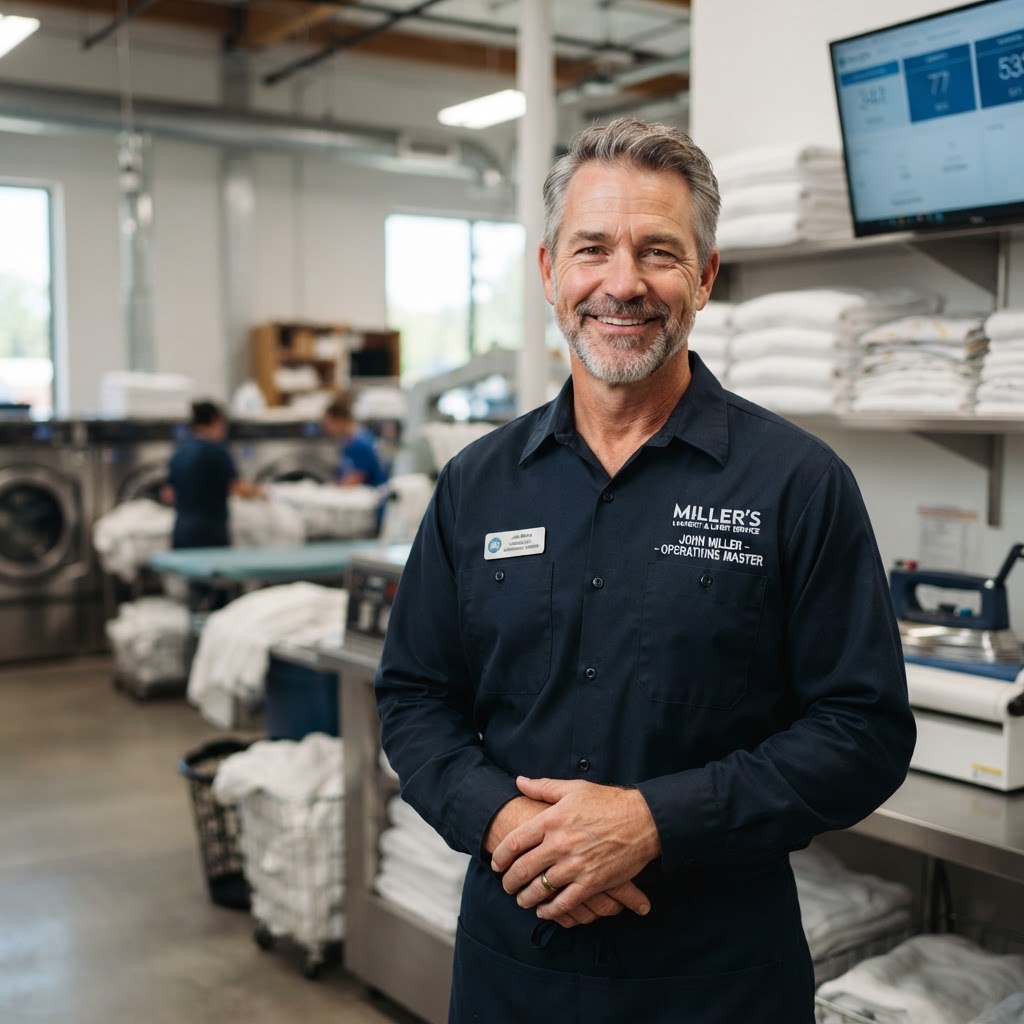
Marcus Vance
Master Cleaner

Removing Pet Hair & Dander from Blankets and Couch Covers
Pet hair is not just on fabric. It is woven into it. Static and mechanical action from your pet rolling around drives hair shafts between yarns where a standard wash cycle cannot reach it. Meanwhile dander — the microscopic skin flakes that actually trigger allergies — clings to fibers and survives a gentle cold wash. The solution is a combination of mechanical stripping, allergen-rinsing detergent, and high-heat drying that removes the hair before it ever reaches the wash water. Skip the mechanical step and you are pouring a blanket full of loose hair into your machine, where it redistributes onto everything in the next load and clogs your lint trap in the process. Pet laundry done right is a four-step protocol; pet laundry done wrong is a recurring mess.
For bulky pet bedding and couch covers across the Triad, bring them to our Greensboro Market St store. Browse all Royal Clean Locations across Greensboro, Winston-Salem, and Burlington.
Why Pet Hair Defeats a Standard Wash
Pet hair is physically structured to resist water. Each strand has a microscopic barb-like cuticle — the same shingle-like scales that make a cat's tongue feel rough — that catches on textile fibers the way a burr catches on a sweater. Once the hair is driven into the weave by your pet's weight and movement, water alone does not pull it back out. Water makes the surrounding fabric swell and grip the hair more tightly, which is why a wet blanket often comes out of the wash with more hair embedded than it went in with. A standard wash cycle agitates the fabric, which can actually push the hair deeper rather than pull it free.
This is why the single most effective step in pet laundry is not a detergent or a cycle — it is the mechanical strip that happens before the wash. Dry stripping the hair out of the fabric before it gets wet removes the majority of the problem before the machine ever starts. The chemistry of pet hair is the chemistry of keratin, the same protein that makes wool; but unlike wool, hair is short and stiff, which is why it wedges so effectively into a terry loop and stays there through an entire wash cycle. The water that softens wool enough to wash it does nothing to release a hair shaft that has locked its barbs into the surrounding yarn.
The Four-Step Pet Hair Removal Method
The order matters more than any single step. Dry-strip first so you are not washing a blanket full of loose hair that will redeposit everywhere. Then enzyme-wash for the dander you cannot see. Then dry with airflow tools that capture the last stragglers. Reverse the order and you trap hair in the wash water, where it floats and resettles on every garment in the machine.
Neutralizing Dander and Allergens
Dander is a protein, so it responds to enzymatic detergents and warm water the same way sweat and blood do. Wash pet bedding on warm — around 40 degrees Celsius — with an enzyme detergent and an extra rinse. For severe allergies, add a half cup of white vinegar to the rinse to neutralize residual proteins that survive the wash cycle. Enzyme detergents are the single most effective tool for pet-allergen laundry because they chemically digest the protein allergens instead of just rinsing away the loose ones. A standard cold wash with non-enzyme detergent removes visible hair and leaves the invisible allergen load largely intact, which is why a pet-allergy household can wash a blanket and still react to it.
For households with severe pet allergies, consider a dedicated pet bedding cycle that you do not mix with human bedding. Dander transfers in the wash water, and a single shared load can deposit allergens on pillowcases that will then sit against a reactive person's face for eight hours. A separate hamper, a separate wash, and a separate dryer load is the protocol that keeps the allergen on the pet's things and off yours.
What Does Not Work
Fabric Type and Pet Hair Retention
| Fabric | Hair Retention | Best Approach |
|---|---|---|
| Fleece | High (static cling) | Dryer strip, wash warm |
| Terry cloth | High (looped weave) | Dryer strip, enzyme wash |
| Microfiber | Very high (micro-scale) | Lint roller, enzyme wash |
| Smooth cotton | Medium | Vacuum, wash warm |
| Leather | Low (surface only) | Damp wipe, no wash |
The fabric column explains why some pet blankets seem impossible and others are manageable. Fleece and microfiber generate static that physically attracts and holds hair; terry's loops catch and trap shafts; smooth cotton lets most hair sit on the surface where a vacuum or a dryer cycle can reach it. If you are buying pet bedding and you have a choice, smooth cotton or tightly woven fabrics release hair far better than fleece or plush — which is counterintuitive, since the plush feels more pet-friendly, but the plush is what locks the hair in.
Ozone for the Heaviest Pet Odor
For the pet bedding that has been carrying odor for months and will not come clean with any home method, ozone is the treatment that goes further than the strip and the enzyme. Ozone oxidizes the bacteria and the body-oil compounds that cause pet odor at the molecular level, in cold water, with no residue — which is why our commercial ozone service is the last-resort treatment for the pet bedding that has defeated every household method. Ozone does what no household chemistry can: it destroys the colony outright rather than stripping the conditions it lives in, and it does it without the heat that bakes in the odor compounds the way hot water can.
For a veterinary clinic, a groomer, or a boarding facility running high pet-odor volume, the ozone program is the operational answer, and it is the reason our Commercial Laundry route handles the veterinary and grooming accounts where the odor load is heaviest. For a household with one persistent pet-bedding smell, the drop-off wash & fold service across Greensboro, Winston-Salem, and Burlington runs the ozone cycle for the loads that need it, and the cost is a fraction of the cost of replacing the pet bedding that the smell has ruined.
Frequently Asked Questions
How do you get pet hair out of a washed blanket?
Run the dried blanket through an air-fluff dryer cycle with a damp dryer sheet. The static reduction releases embedded hair into the lint trap where it is captured. Repeat if the blanket is heavily loaded.
Does washing remove pet dander?
Yes, with the right chemistry. Enzymatic detergent in warm water with an extra rinse breaks down and clears the protein allergens in dander that cause reactions. A standard cold wash does not.
Can you wash pet beds with regular detergent?
You can, but an enzymatic detergent is more effective at removing odors and allergens. Our drop-off service stocks enzyme options for pet laundry.
Will a lint roller get pet hair off a couch cover?
A lint roller handles surface hair. For hair woven into the weave, you need the dryer-strip method or a rubber grooming glove dragged across the fabric to lift embedded strands.
How often should I wash pet blankets?
Weekly for households with allergies. Biweekly for single-pet homes without sensitivities. The dander and oil load builds faster than most people realize, and the longer it sits the harder it is to remove.
Will an ozone wash help pet bedding odor?
Yes. Ozone oxidizes the bacteria and body-oil compounds that cause pet odor at the source, in cold water, with no residue. It is the most effective single treatment for persistent pet bedding smell.
Less Hair, Fewer Allergens
A mechanical-strip-first approach removes more pet hair than any single wash cycle alone. Bring bulky pet bedding to Winston-Salem Stratford Rd for high-capacity cleaning that gets the job done right — and ask about our enzyme and ozone options for allergen-sensitive households across Greensboro, Winston-Salem, and Burlington.
Did you find this guide helpful?
Give it a heart to help other readers discover it.
Need Professional Drop-Off Wash & Fold in Winston-Salem?
Bring your delicates, bulky comforters, or commercial linens to 658 S Stratford Rd. Open daily from 5 AM to 11 PM.
Reader Discussion (2)
This guide completely saved my favorite cashmere sweater! I had no idea standard detergent was destroying the fibers.
We visit the Stratford Rd location every weekend for wash & fold. The staff is always so attentive!