
How to Restore Yellowed White Shirts & Pillows Naturally
Yellowing is trapped body oil and detergent residue, not age. Oxygen bleach, sunlight, and vinegar strip the buildup that turns whites gray without chlorine.

Elena Rostova
Sustainability Chemist
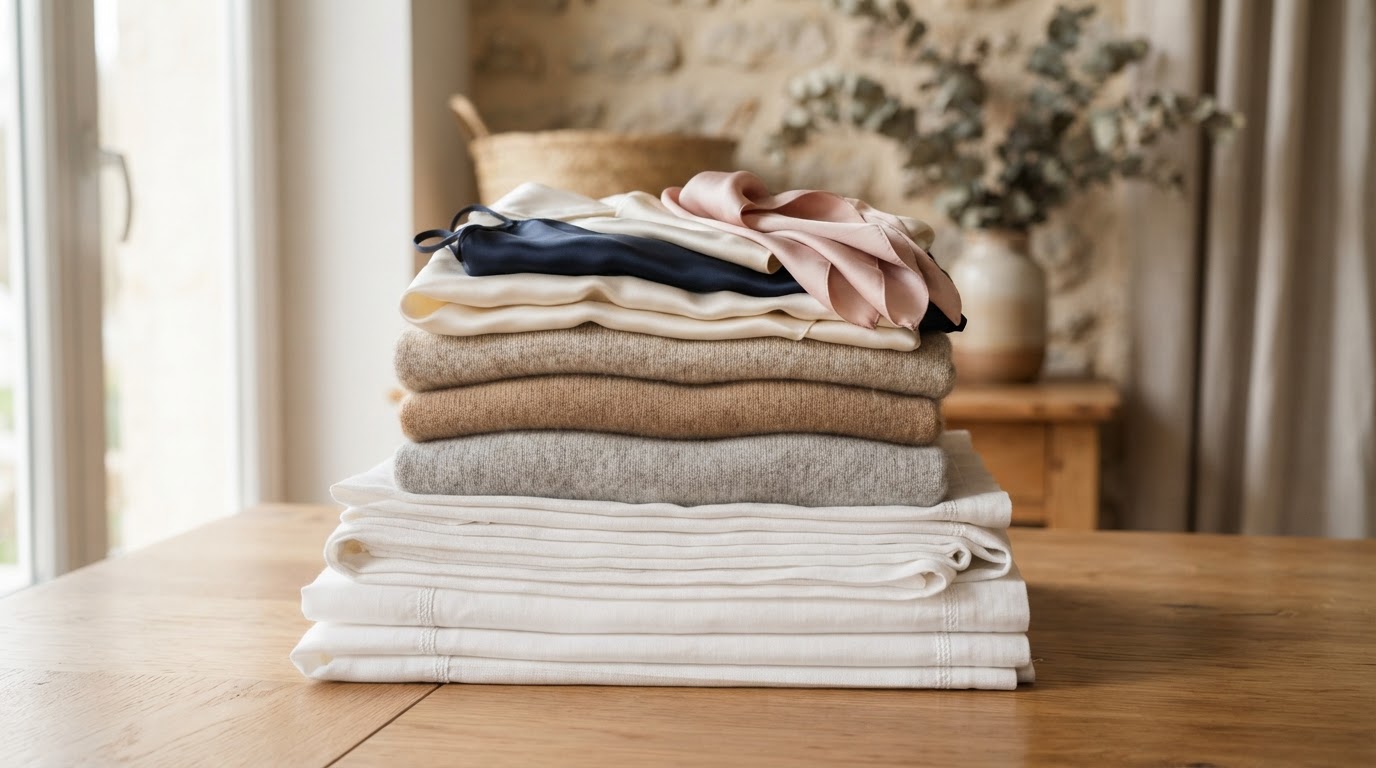
How to Restore Yellowed White Shirts & Pillows Naturally
Yellowing whites are not a sign that a garment is worn out. They are a sign that body oil, sweat, and detergent residue have built up in the fibers and oxidized — the same chemistry that turns a paint brush yellow over years of oil paint, or that turns a piano key ivory to a warm yellow with decades of touch. The good news is that the buildup is removable, and you do not need chlorine bleach to do it. Oxygen bleach, sunlight, and a vinegar rinse strip the oxidized buildup and restore whites without the fiber damage and the yellowing rebound that chlorine causes. This is the difference between a white shirt you restore and one you replace, and the chemistry is simpler than most people think.
For professional whitening across the Triad, visit our Winston-Salem Stratford Rd store or any Royal Clean Location across Greensboro, Winston-Salem, and Burlington.
What Causes Yellowing
Yellowing is not the fabric aging. It is the residue in the fabric oxidizing. Body oils, sweat, and over-dosed detergent accumulate in the fibers over many washes, and the trapped organic compounds slowly oxidize into a yellow-brown tint — the same way an apple browns when its flesh is exposed to air, or the way cooking oil darkens in a hot pan. The collar and underarm areas of a white shirt yellow first because that is where body oil concentrates; pillows yellow in a similar pattern where your skin contacts them night after night. The fabric itself is fine. The residue is the problem, and the residue is removable.
The reason yellowing is so persistent is that the residue is inside the fiber, not on it. A surface stain can be washed off; oxidized residue inside the cotton fiber has to be broken down chemically and flushed out, which is what oxygen bleach does. The residue also accumulates slowly, which is why a white shirt looks fine for the first year and starts to yellow in the second — the buildup is invisible until it crosses a threshold where the oxidized compounds are concentrated enough to see. By the time you notice the yellow, the buildup has been there for months, which is why one wash never restores it and a strip protocol is the right tool.
Why Chlorine Bleach Makes It Worse
Chlorine bleach is the instinctive response to yellowing, and it is often the wrong one. Bleach oxidizes the organic buildup, but it can also react with protein residues to create the very yellow compounds it was supposed to remove — which is why bleach-yellowed whites often come out more yellow, not less. The chemistry is counterintuitive: chlorine bleach is a strong oxidizer, and on protein residue it can drive the oxidation further into the yellow-brown range rather than breaking it down. Bleach also weakens fibers over repeated use, shortening the garment's life, and it yellows synthetic blends because the chlorine reacts with the polyester. Oxygen bleach (sodium percarbonate) is the gentler, more effective choice for most yellowing because it breaks down the oxidized compounds without the rebound effect and without the fiber damage.
The Natural Whitening Protocol
What to Avoid
Whitening Method Comparison
| Method | Effective | Gentle | Rebound |
|---|---|---|---|
| Oxygen bleach | Yes | Yes | No |
| Sunlight | Yes | Yes | No |
| Vinegar rinse | Moderate | Yes | No |
| Chlorine bleach | Yes | No | Often |
The rebound column is the one that catches people. Chlorine bleach works on the first wash and then, over repeated use, yellows the fabric worse than it was before — the rebound. Oxygen bleach does not have the rebound, which is why it is the right choice for the long-term maintenance of a white wardrobe, not just the one-time rescue.
Preventing Yellowing
Prevention is cheaper than restoration, and it is the same set of habits that prevent most laundry problems. Wash whites separately so dye transfer does not dull them; dose detergent correctly so residue does not accumulate; skip fabric softener so wax does not trap the residue; and sun-dry whites whenever weather allows. A white wardrobe maintained with this routine stays white for years; one maintained with over-dosed detergent and softener yellows within months, because the very products marketed for whites are often the products causing the yellowing. The prevention routine is the inverse of the yellowing cause, which is why it works.
The Prevention Routine
The prevention routine is where the permanent fix lives, and it is the same set of habits that prevent most laundry problems, inverted from the yellowing cause. Wash whites separately so dye transfer does not dull them — a colored garment bleeding into a white load is the most common cause of a white that goes gray in a single cycle. Dose detergent correctly so residue does not accumulate — the over-dose is the residue that itself yellows. Skip fabric softener so the wax does not trap the residue that causes the yellow — the softener coat is the film that holds the oxidizing compounds against the fiber. And sun-dry whites whenever the weather allows, because the UV is the free, natural, rebound-free brightener that no chemical matches. A white wardrobe maintained with this routine stays white for years; one maintained with over-dosed detergent and softener yellows within months.
Frequently Asked Questions
Why do the armpits of my white shirts turn yellow?
Trapped body oil and antiperspirant residue oxidize over time. An oxygen-bleach soak and an enzyme wash break down the buildup that causes the yellow cast.
Does bleach whiten yellowed whites?
Often it makes them worse by reacting with protein residue to create yellow compounds, and it yellows synthetic blends. Oxygen bleach is the gentler, more effective choice for most yellowing.
Will vinegar whiten clothes?
Vinegar dissolves the mineral and detergent residue that dulls whites, which brightens them without the chemical wear of bleach. It is a rinse aid, not a standalone whitener.
Can I sun-dry whites in winter?
Yes, if the weather allows. UV is the active bleaching agent and it works in cold temperatures. Even an hour of direct sun brightens whites noticeably.
How often should I oxygen-soak my whites?
Monthly for a white-heavy wardrobe, or as needed for specific items. Over-soaking can weaken fibers, so reserve it for the items that actually need it.
Why did my white shirt get more yellow after I bleached it?
Chlorine bleach can react with protein residue to create yellow compounds — the rebound. Switch to oxygen bleach, which breaks the residue down without the rebound.
Whiter Whites, Longer
Yellowing is buildup, not age, and buildup is reversible. Oxygen bleach, sunlight, and vinegar restore whites without the rebound and fiber damage of chlorine. For the tough cases, our drop-off service has commercial whitening capability that goes beyond household products — at Greensboro Market St, Winston-Salem Northwest Blvd, and Burlington S Church St.
Did you find this guide helpful?
Give it a heart to help other readers discover it.
Need Professional Drop-Off Wash & Fold in Winston-Salem?
Bring your delicates, bulky comforters, or commercial linens to 658 S Stratford Rd. Open daily from 5 AM to 11 PM.
Reader Discussion (2)
This guide completely saved my favorite cashmere sweater! I had no idea standard detergent was destroying the fibers.
We visit the Stratford Rd location every weekend for wash & fold. The staff is always so attentive!