
How to Wash and Sanitize Reusable Cloth Diapers (The Complete Routine)
Cloth diapers need a two-cycle routine — a short rinse to lift solids, then a hot sanitize cycle — to be safe, absorbent, and odor-free wash after wash.

Elena Rostova
Sustainability Chemist
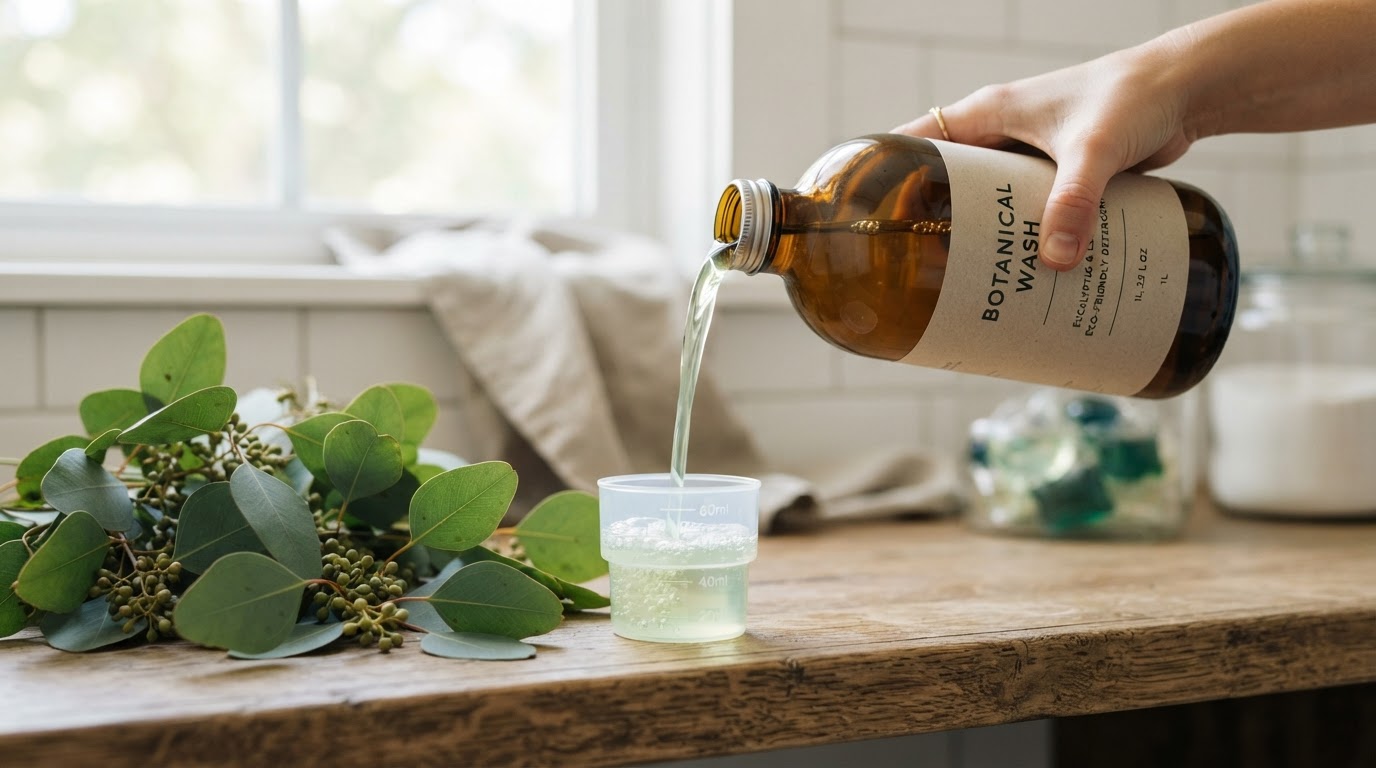
How to Wash and Sanitize Reusable Cloth Diapers (The Complete Routine)
A cloth diaper is the most demanding garment in any household laundry pile: it absorbs a full cup of liquid, carries bacteria and ammonia, and has to come out of the wash clean enough for a baby's skin — while staying absorbent enough to do the same job the next day. The routine that does both is a two-cycle wash: a short warm cycle to lift the solids and dilute the ammonia, followed by a hot cycle that sanitizes and strips the residue. Skip either cycle and you get one of two failures — lingering ammonia that burns skin, or detergent buildup that turns the diaper repellent.
For families in the Triad who would rather not run two cycles at home, our Greensboro Market St team runs cloth-diaper loads through commercial sanitize cycles, or browse all four Royal Clean Locations.
The Pre-Wash Step
Never put a solid-soiled diaper straight into the wash. Shake solids into the toilet; flush the liner. For breastfed newborn solids that are water-soluble, a rinse under the tap is enough. Pre-rinse the diaper in cold water to stop the protein in stool from setting — heat sets protein stains, so the pre-rinse must be cold or warm, never hot. A wet pail (soaking in water) is outdated; modern cloth diapering uses a dry pail with a breathable wet bag.
Cycle One: The Short Rinse
Run a short, warm cycle with no detergent (or a quarter-dose at most). This cycle's job is mechanical, not chemical: it rinses out the ammonia and the bulk of the soil so the main cycle isn't fighting a saturated load. Cold or warm water, short cycle, no spin needed. For a load of 12–15 diapers, a 30-minute cycle is enough.
Cycle Two: The Hot Sanitize
The main cycle is the one that actually cleans. Hot water (130°F / 55°C or higher), a full dose of a cloth-safe detergent (enzyme-free or a detergent specifically labeled cloth-safe), and the longest cycle your machine offers. The hot water sanitizes; the long cycle gives the detergent the contact time it needs to break down the ammonia and the residue.
No fabric softener, ever. Softener coats the diaper's fibers in a silicone film that makes them water-repellent — the exact opposite of what a diaper needs. Use dryer balls or a half-cup of vinegar in the rinse instead, which strips residue without coating the fibers.
The Dry Step
Hot dryer or line-dry — both work, both have trade-offs. A hot dryer softens the cloth and fluffs the absorbent layers, but it wears the waterproof PUL and elastic faster. Line-dry is gentler on the materials but leaves the inserts stiffer. The practical answer: line-dry the waterproof shells, machine-dry the cotton and bamboo inserts.
Ammonia, Repellency, and the Monthly Strip
Two failures creep up over weeks of washing. Ammonia build-up smells sharp the moment the diaper gets wet — it means detergent residue is trapping urea. Repellency means the diaper leaks immediately — it means softener or detergent film is blocking absorption. Both are fixed with a monthly strip: a hot wash with no detergent, a rinse with a quarter-cup of vinegar, then a hot dryer. The strip dissolves the residue and restores absorbency.
Hard Water and Cloth Diapers
Greensboro and Burlington tap water runs moderately hard. Hard water binds the detergent to the minerals instead of the cloth, leaving diapers both crusty and under-cleaned. A water softener (a tablespoon of washing soda in the main cycle) is the fix for hard-water cloth diapering; it frees the detergent to do its job.
Frequently Asked Questions
Can I use regular detergent on cloth diapers?
A free-and-clear, enzyme-free detergent at full dose works for most cotton diapers. Avoid softeners and avoid detergents with optical brighteners on natural fibers.
How often should I strip cloth diapers?
Monthly for a heavy-rotation stash; quarterly otherwise. A strip restores absorbency and clears ammonia.
Why do my cloth diapers smell like ammonia?
Ammonia build-up means detergent residue is trapping urea. Run a no-detergent hot wash, then a vinegar rinse, then hot-dry.
Is hot water safe for the waterproof covers?
Modern PUL and TPU covers are rated for hot water. Line-dry the covers, though — the dryer wears the elastic and the waterproofing faster.
The Bottom Line on Cloth Diapers
Cold pre-rinse, warm short cycle, hot long cycle, no softener, monthly strip, softener for hard water. Run that routine and a cloth-diaper stash stays clean, absorbent, and safe for years — and for the loads you'd rather hand off, our Drop Off Wash & Fold teams across Greensboro, Winston-Salem, and Burlington run commercial sanitize cycles.
Did you find this guide helpful?
Give it a heart to help other readers discover it.
Need Professional Drop-Off Wash & Fold in Winston-Salem?
Bring your delicates, bulky comforters, or commercial linens to 658 S Stratford Rd. Open daily from 5 AM to 11 PM.
Reader Discussion (2)
This guide completely saved my favorite cashmere sweater! I had no idea standard detergent was destroying the fibers.
We visit the Stratford Rd location every weekend for wash & fold. The staff is always so attentive!